Backyard Masonry Design Ideas: 7 Luxury Looks for 2026
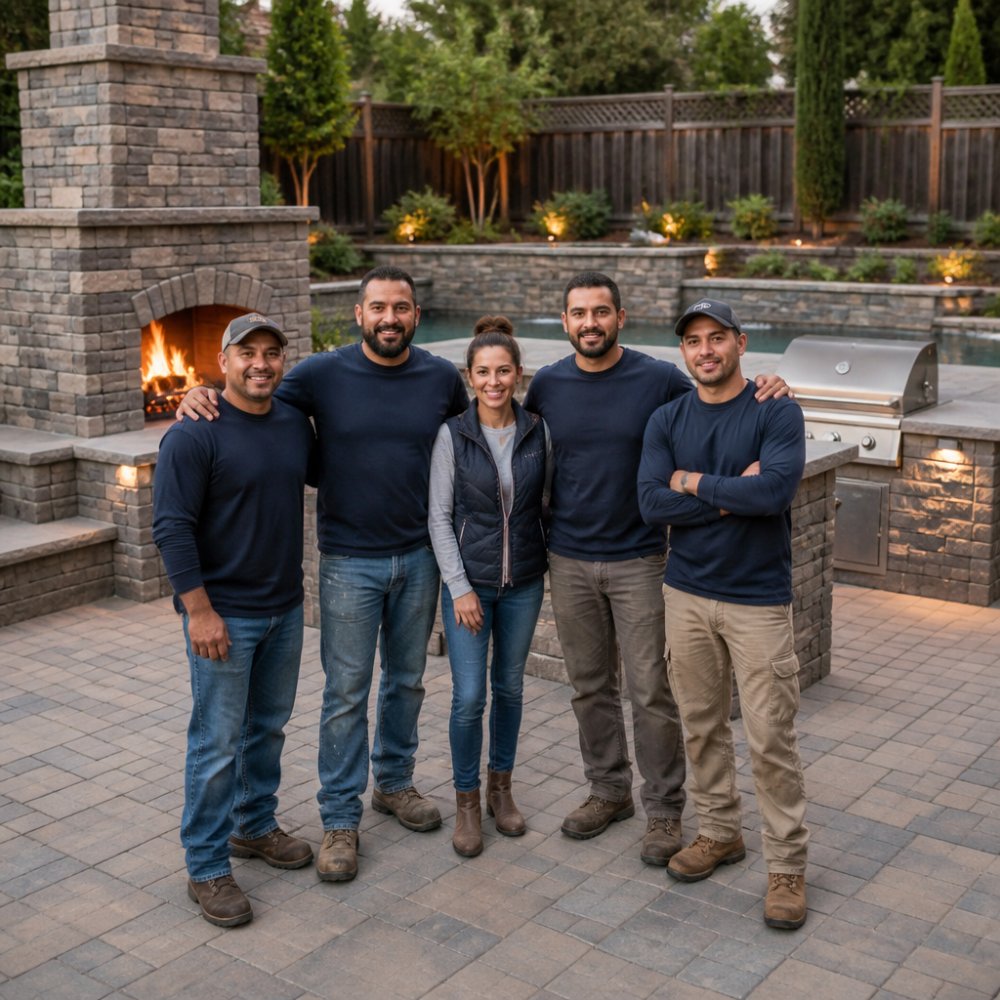
Table of Contents
- 1. Custom Stone Patio Designs for a Luxurious Foundation
- 2. Outdoor Masonry Fireplace Ideas That Anchor the Space
- 3. Durable Hardscape Materials: Choosing What Lasts
- 4. Retaining Wall Landscaping Designs for Sloped Yards
- 5. Walkways and Stair Risers: The Details That Define Backyard Masonry
- 6. Budgeting, Maintenance, and DIY vs. Professional Installation
- 7. Climate-Specific Masonry Advice for Lasting Beauty
- Conclusion: Bringing Your Backyard Masonry Vision to Life
- Frequently Asked Questions
Last Updated: September 19, 2026
1. Custom Stone Patio Designs for a Luxurious Foundation
The best backyard masonry design ideas start at ground level, because the patio sets the tone for everything built around it.
Backyard masonry is the craft of building outdoor structures, patios, walls, walkways, and fire features from stone, brick, concrete, or block. Get the patio right and the rest of the yard follows.
A custom stone patio design begins with layout, not material. Decide how you will actually use the space: dining, lounging, or both. Then choose a pattern. Herringbone and basketweave suit brick and paver surfaces, while flagstone reads more organic. Running bond and stack bond give a cleaner, more modern line.
2. Outdoor Masonry Fireplace Ideas That Anchor the Space
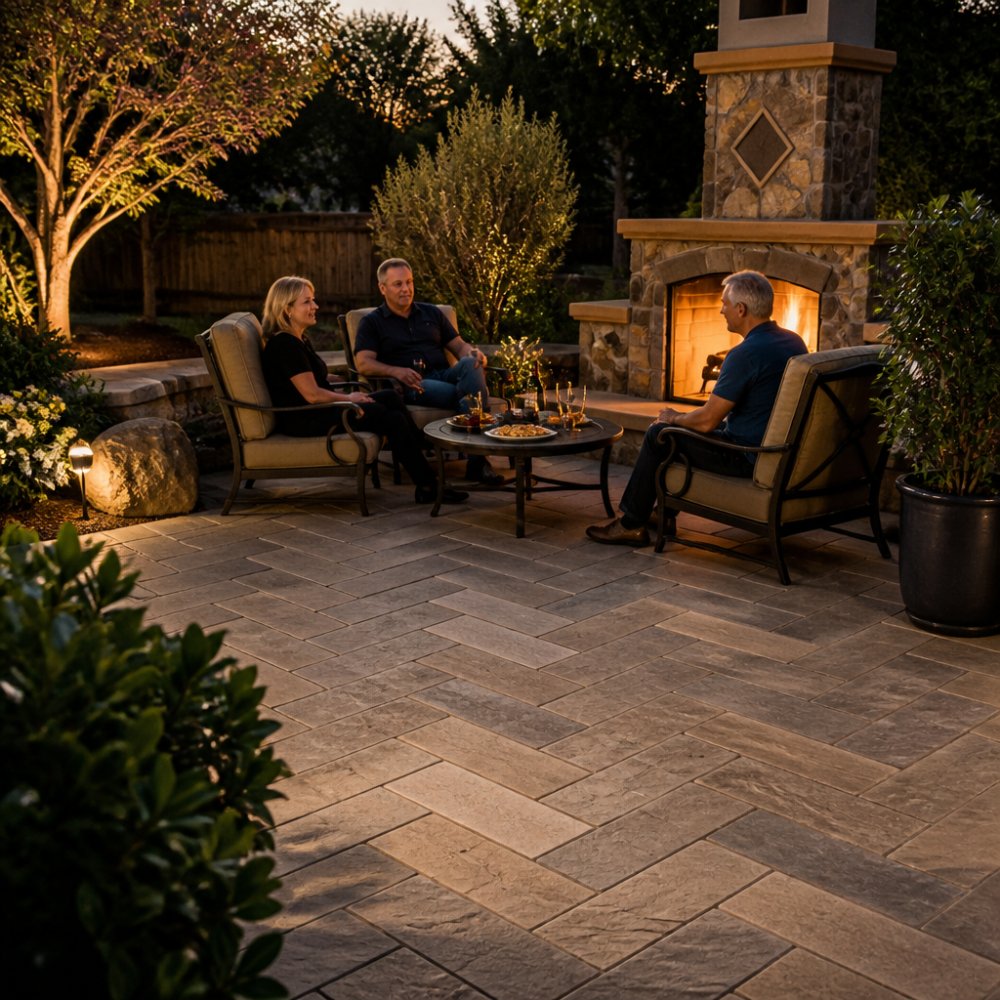
An outdoor masonry fireplace becomes the focal point of the entire yard. Unlike a portable fire pit, a built masonry fireplace adds permanent structure and extends how late into the year you can use the space.
Popular outdoor masonry fireplace ideas lean toward clean stone veneer columns with a simple mantel, or a rustic stacked-stone face paired with a built-in wood storage niche. A fire pit works better for open, conversational seating. A fireplace suits a defined outdoor living space with a clear center.
The key detail is the chimney draw. A short, wide firebox with a properly sized flue burns cleaner and smokes less. Get that wrong and no amount of stonework will fix the experience.
3. Durable Hardscape Materials: Choosing What Lasts
Choosing durable hardscape materials comes down to three trade-offs: cost, maintenance, and lifespan. Here is how the common options compare.
| Material | Expected Lifespan | Maintenance | Best For |
|---|---|---|---|
| Concrete pavers | 25-50 years | Low | Mid-range patios, driveways |
| Natural flagstone | 50+ years | Low | Luxury, organic looks |
| Brick masonry | 50+ years | Moderate | Traditional, historic styles |
| Poured concrete | 20-30 years | Low | Budget, modern clean lines |
Concrete pavers offer the best balance for most projects. Individual units can be lifted and replaced if they crack. Poured concrete is the most affordable but tends to crack over time as the ground moves. Flagstone and brick cost more but hold their beauty for decades. Premium paver systems from manufacturers like Techo-Bloc's hardscape collections show how far concrete masonry has come in texture and color.
4. Retaining Wall Landscaping Designs for Sloped Yards
A sloped yard is an opportunity, not a problem. Good retaining wall landscaping designs turn a grade change into terraced planting beds, built-in seating, or a defined upper patio.
Two rules govern every wall. First, drainage: water must escape through weep holes and gravel backfill, or hydrostatic pressure will push the wall over. Second, height: walls above a certain height typically require engineering and permits, so confirm local requirements before you build. The International Code Council's building codes set the standards most jurisdictions adopt.
For a rustic look, use natural stone with a slightly battered face. For modern, choose smooth block in stack bond with tight joints. Cap the wall with a contrasting material to make it read as intentional design rather than a plain barrier.
5. Walkways and Stair Risers: The Details That Define Backyard Masonry
Walkways and stair risers are where craftsmanship shows. Anyone can lay a flat patio. Curves, transitions, and steps separate a professional install from a weekend project.
A well-built walkway uses the same sub-base depth as the patio, typically several inches of compacted gravel, so it will not settle. Stair risers should be consistent in height; even a small variation between steps becomes a trip hazard and looks sloppy. Match the walkway material to the patio for cohesion, or use a contrasting paver to define the path.
6. Budgeting, Maintenance, and DIY vs. Professional Installation
Budget and maintenance planning separate a design that lasts from one that disappoints. Masonry is a long-term investment, and how you plan for it matters as much as the material you pick.
Budgeting. Masonry projects are priced by the square foot for surfaces and by the linear foot for walls and steps. Your total depends on material choice, site access, excavation, and drainage work. Ask any contractor for a line-item breakdown, not a single lump sum. That is how you keep a project on budget instead of watching it drift.
Maintenance. Sealing stone and pavers every few years slows fading and staining. Re-sand joints as they wear. Clear organic debris from wall bases so moisture does not sit against the masonry.
DIY vs. professional. Small repairs, like replacing a cracked paver, are reasonable DIY work. Full patios, retaining walls, and fireplaces are not. The sub-base and drainage work that you cannot see is what determines whether the surface stays level for decades.
7. Climate-Specific Masonry Advice for Lasting Beauty
Climate decides which masonry choices hold up and which fail early. The same patio that thrives in a dry climate can heave and crack where the ground freezes.
In freeze-thaw regions, water is the enemy. Every surface needs to drain away from the structure, and joints must be sealed. In hot, dry climates, lighter stone colors reflect heat and stay cooler underfoot. In wet, humid areas, moss and algae colonize shaded brick and stone, so choose a slightly rougher texture and plan for periodic cleaning.
For coastal properties, salt air corrodes some metals and stains certain stones, so specify materials rated for the exposure. A local mason who builds in your climate every day will know which products fail and which endure. That local knowledge is worth more than any catalog.
Conclusion: Bringing Your Backyard Masonry Vision to Life
Turning a design idea into a finished yard takes the right materials, a solid sub-base, and a crew that shows up and stays on schedule. That is where CH&L Landscaping & Concrete comes in. We bring more than 15 years of experience, licensed and insured work, and a proven four-step process that includes custom design, so your project stays on time and on budget. We use high-quality materials and water-efficient landscaping to deliver low-maintenance, year-round outdoor living space with real curb appeal. Get a free estimate from CH&L Landscaping & Concrete and bring your backyard masonry vision to life.
Frequently Asked Questions
What are the most durable materials for backyard masonry?
Natural flagstone and concrete pavers are among the most durable options. Flagstone can last over 50 years, while quality concrete pavers offer a 25-50 year lifespan. Brick masonry also holds up well, resisting fading and weathering. The key is proper installation with a compacted sub-base and joint sand to prevent shifting. For a truly lasting backyard masonry project, invest in high-quality materials and professional installation.
How do I choose the right masonry design for my backyard layout?
Start by mapping out how you want to use the space. For entertaining, a custom stone patio with an outdoor masonry fireplace creates a natural gathering spot. If your yard slopes, retaining wall landscaping designs can level areas and add visual interest. Consider traffic flow for walkways and stair risers. A professional designer can help you match patterns like herringbone or basketweave to your home's architecture and your lifestyle.
Does adding masonry features increase home value?
Yes, well-designed masonry features can significantly boost curb appeal and home value. A custom stone patio, outdoor fireplace, or retaining wall expands usable outdoor living space, which buyers prize. Natural stone and high-quality pavers are particularly attractive. To maximize return, focus on durable hardscape materials and professional installation that ensures the work lasts. A cohesive design that integrates with your landscaping delivers the strongest impact.
What is the difference between natural stone and concrete pavers for patios?
Natural stone, like flagstone, offers unique, organic textures and exceptional longevity (50+ years), but costs more. Concrete pavers are more affordable, come in many shapes and colors, and have a 25-50 year lifespan. Both require a proper sub-base. Natural stone suits luxury, one-of-a-kind designs; concrete pavers offer versatility and value. Your choice depends on budget and the aesthetic you want for your backyard masonry.
How can I incorporate masonry into a small backyard space?
Even a 400-square-foot yard can benefit from masonry. Use a compact custom stone patio with a built-in bench, or a vertical outdoor masonry fireplace to save floor space. Retaining wall landscaping designs can create tiered planting areas. Choose light-colored materials to make the space feel larger. A professional can design a layout that maximizes every inch without overwhelming the area.
Ready to start your project?
CH&L Landscaping & Concrete serves Concord, Martinez, and the greater Bay Area. Get a free, no-obligation estimate today.
Get a Free Estimate