Benefits of Custom Hardscape Design for Your Home
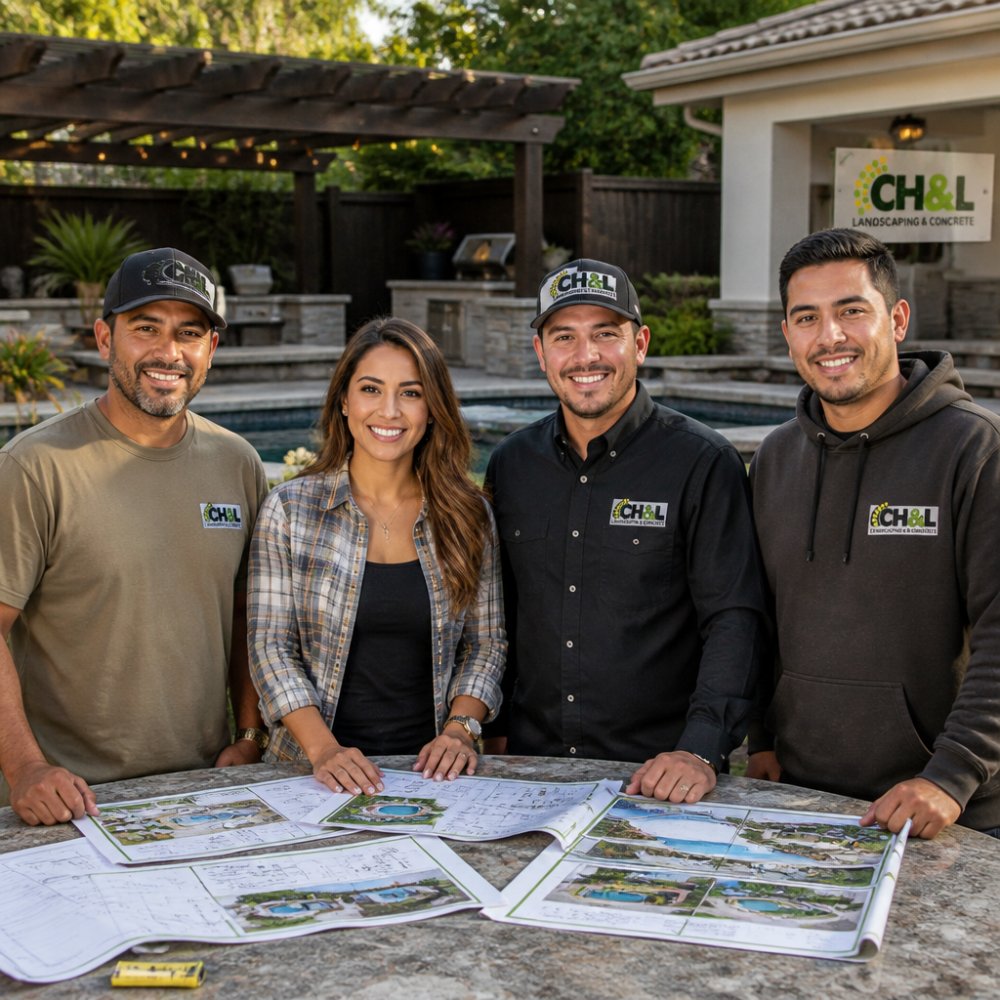
Table of Contents
- What Custom Hardscape Design Delivers
- How Much Value Does Hardscaping Add to a Home
- Enhanced Curb Appeal and Outdoor Living Space
- Best Materials for Custom Patios and Walkways
- Hardscape vs Softscape Design: Finding the Right Balance
- Low-Maintenance Design and Sustainability Benefits
- Professional Design vs DIY: Why Expert Installation Matters
- Frequently Asked Questions
Last Updated: September 2, 2026
What Custom Hardscape Design Delivers
Custom hardscape design transforms outdoor spaces into functional, beautiful extensions of your home that blend aesthetics with practical living. At CH&L Landscaping & Concrete, we've spent over 15 years helping homeowners understand that hardscaping isn't just about laying pavers or building walls, it's about creating intentional outdoor environments that enhance how you actually live.
The difference between a generic backyard and a thoughtfully designed hardscape is immediate. One feels like an afterthought; the other feels inevitable. Custom hardscape design delivers this by combining material selection, spatial planning, drainage solutions, and durability into a cohesive plan tailored to your property's unique characteristics. When you invest in custom hardscape design, you're making decisions that affect your home for decades. The right materials withstand weather cycles. The right layout accommodates how your family uses outdoor space. The right design integrates with your landscape's natural grading and water flow.
How Much Value Does Hardscaping Add to a Home
Hardscaping directly impacts your property's market value and functionality. A well-designed hardscape adds tangible value by expanding usable outdoor living space. Patios, walkways, retaining walls, and shade structures solve real problems: a properly graded patio prevents water pooling, a well-planned walkway creates safe passage, and retaining walls manage elevation changes that would otherwise be unusable terrain.
Material-Specific ROI Considerations
Not all hardscape materials deliver equal return on investment.
Natural Stone Pavers command the highest perceived value in luxury markets. Properties featuring granite, bluestone, or limestone patios consistently show stronger buyer interest than those with concrete. Natural stone patios properly installed last 30-50 years, while concrete typically requires resurfacing within 15-25 years (peer-reviewed research). This longevity translates to lower lifetime cost of ownership, even though upfront material cost is higher than concrete.
Permeable Pavers are gaining value recognition as environmental consciousness influences buyer preferences. Properties in areas with stormwater management regulations benefit from permeable paver installations, which demonstrate compliance and forward-thinking design. The durability and low-maintenance profile offset the modest upfront premium over time.
Concrete remains the most cost-effective option upfront but carries hidden long-term costs. While concrete patios cost less to install than natural stone, they require sealing every 2-3 years, are prone to cracking in freeze-thaw climates, and show visible wear within 10-15 years. Buyers perceive concrete as a temporary solution rather than a permanent investment.
The Execution Quality Factor
What matters most is execution quality. A poorly installed patio with settling stones, cracked joints, and visible drainage problems actually decreases perceived value because it signals neglect and future maintenance costs. Professional installation with quality materials tells a different story: this is a property maintained with care and designed to perform reliably.
A professional hardscape contractor invests a significant portion of project time in site grading, soil compaction, and drainage systems before a single stone is laid. This invisible work prevents the settling, cracking, and water damage that plague DIY projects. Buyers recognize the difference when they see a patio that remains level and intact after five years.
Long-Term Cost of Ownership
A natural stone patio installed professionally on a quality base may require annual cleaning and sealing, with no major repairs expected for 30+ years. A concrete patio without professional site preparation may require annual sealing, plus significant repairs within 12-15 years. Over a 30-year ownership period, the natural stone option often costs less in total dollars spent, despite the higher upfront price.
Enhanced Curb Appeal and Outdoor Living Space
Custom hardscape design creates visual interest through material selection, color variation, and spatial hierarchy. A front walkway lined with natural stone pavers signals quality. A backyard with defined zones, a patio for dining, a seating area for conversation, a pathway connecting spaces, demonstrates that outdoor living has been planned, not improvised.
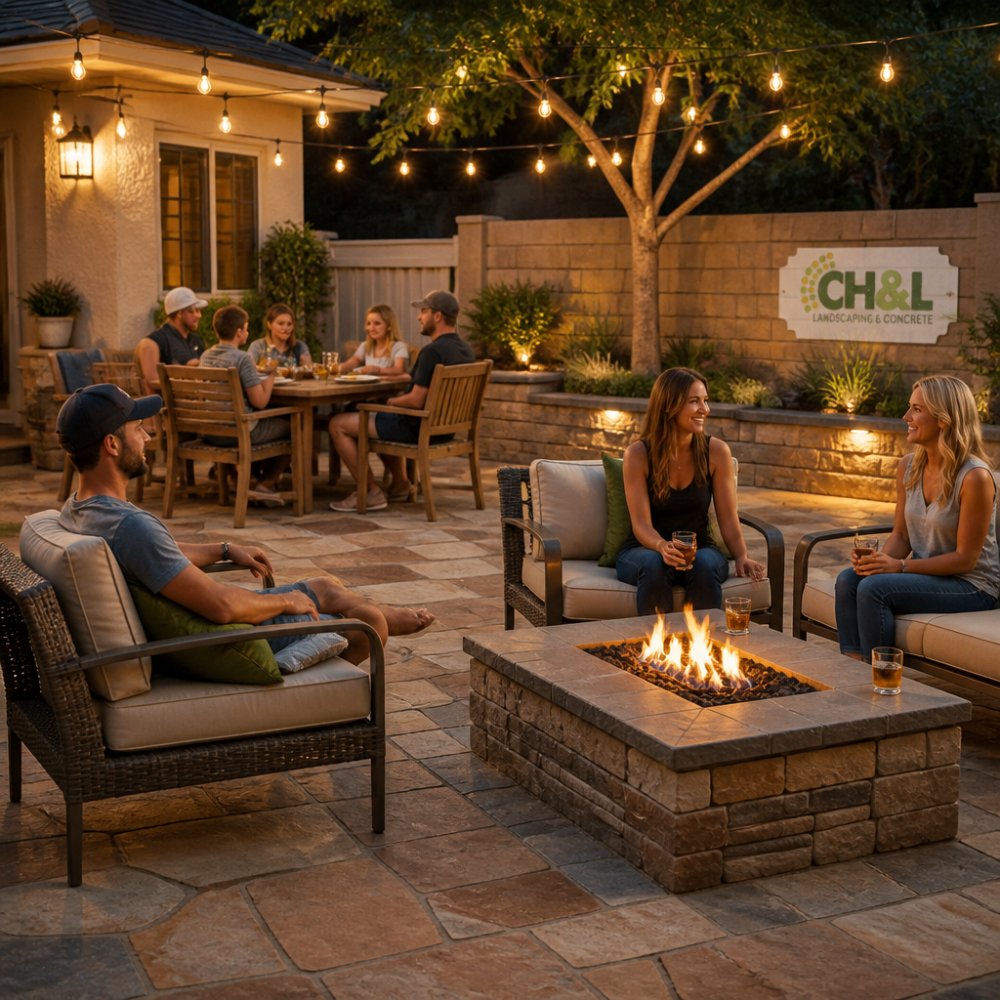
The relationship between hardscape and softscape matters significantly. A patio without surrounding plantings feels incomplete; plantings without defined hardscape structure feel chaotic. The best outdoor living spaces integrate both: hardscape provides structure and function, while softscape adds color, texture, and seasonal interest.
Year-round usability becomes possible when hardscape is designed thoughtfully. A covered patio extends your outdoor season. Strategic shade structures make summer afternoons comfortable. Proper drainage means you can use the space after rain. This transforms outdoor space from a nice-weather amenity into a genuine extension of your living area.
Best Materials for Custom Patios and Walkways
Material selection determines whether your hardscape looks good for five years or fifty. This is where many DIY projects fail, choosing materials based on upfront cost rather than long-term performance.
Natural Stone and Pavers
Natural stone and pavers are the standard for luxury hardscape design because they offer durability, aesthetic variety, and timeless appeal. Granite, limestone, bluestone, and travertine each have distinct characteristics that affect appearance and performance.
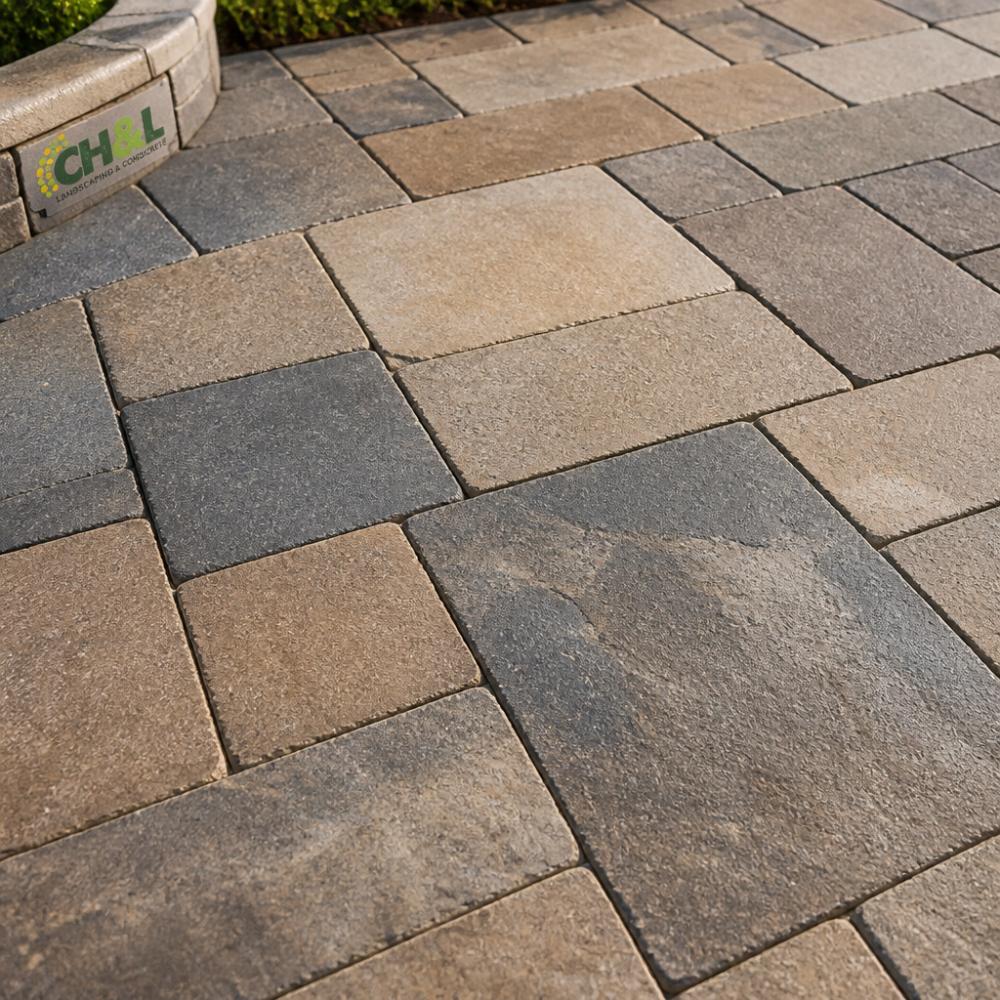
Granite is exceptionally hard and resists staining, making it ideal for high-traffic areas. Limestone is softer but offers warm aesthetics and workability. Bluestone offers a middle ground, harder than limestone, more affordable than granite, with a distinctive blue-gray tone that works with most architectural styles. Pavers offer flexibility in pattern and layout, with permeable options that allow water drainage and address stormwater management concerns.
The key decision is understanding your use case. A heavily trafficked front walkway demands different material than a shaded patio used primarily for evening entertaining. Professional hardscape design matches material to function, preventing premature wear and ensuring your investment performs as intended.
Durability and Longevity
Material durability depends on three factors: material quality, installation method, and climate appropriateness. Some materials handle freeze-thaw cycles better than others; some perform poorly in high-moisture areas. A professional hardscape design accounts for your specific climate conditions and selects materials accordingly.
Longevity also depends on maintenance. Natural stone requires periodic sealing to resist staining. Pavers may need sand replenishment between joints. A sustainable hardscape design is one where maintenance is realistic and manageable, not requiring constant professional attention.
Hardscape vs Softscape Design: Finding the Right Balance
The best outdoor spaces integrate hardscape and softscape strategically. Hardscape provides structure, function, and year-round visual interest. Softscape adds color, texture, movement, and seasonal variety.
A common mistake is treating these as separate decisions. You can't design a patio without considering what surrounds it. You can't plant a landscape without defining where people walk and gather. The integration of hardscape and softscape creates cohesion; the space feels intentional rather than assembled from disconnected pieces.
Hardscape elements anchor the design. A patio becomes the focal point of a backyard. A pathway directs movement and creates sightlines. Retaining walls define elevation changes and create planting opportunities. Softscape then fills these hardscape structures with living elements that evolve seasonally. Professional hardscape design considers how these elements work together across seasons and years, anticipating changes that improve the space over time rather than deteriorate it.
Low-Maintenance Design and Sustainability Benefits
Low-maintenance hardscape design is achievable when materials and methods are selected intentionally for your specific climate and use case. This requires understanding how your local weather patterns should drive design decisions.
Climate-Resilient Hardscape Design
One of the most overlooked aspects of custom hardscape design is how local climate should dictate material selection and drainage strategy. A patio that performs beautifully in a dry climate may fail rapidly in a freeze-thaw environment.
Freeze-Thaw Cycles are the primary cause of hardscape failure in northern climates. Water infiltrates porous materials, freezes, expands, and cracks the stone or concrete. Materials with low water absorption, such as granite and dense bluestone, resist this damage. In regions experiencing numerous freeze-thaw cycles annually, material selection becomes critical. Professional hardscape design specifies materials rated for your specific climate zone and ensures proper base preparation with adequate drainage to minimize water retention.
Drought and Heat Stress affect hardscape performance in arid regions. Some materials fade rapidly under intense UV exposure. Light-colored stone and permeable surfaces that allow water infiltration are preferred in these climates. Hardscape design in drought-prone areas should prioritize water-efficient drainage that captures and directs rainfall toward planted areas.
High-Moisture Environments require materials resistant to algae growth, salt spray, and moisture-related deterioration. Sealed natural stone, composite materials, or concrete with proper drainage are more appropriate than porous stone that traps moisture.
A professional hardscape designer evaluates your property's microclimate, sun exposure, wind patterns, drainage characteristics, soil composition, and selects materials and methods that perform reliably in those specific conditions.
Maintenance Cost-Benefit Analysis
Understanding the true maintenance burden of different hardscape choices requires comparing annual upkeep costs against material longevity and replacement timelines.
Natural Stone with Professional Installation:
- Annual maintenance: (cleaning, sealing every 2-3 years)
- Expected lifespan: 30-50 years
- 30-year total cost: Initial investment plus maintenance
Concrete with Professional Installation:
- Annual maintenance: (cleaning, sealing every 2-3 years)
- Expected lifespan: 15-25 years (before resurfacing or replacement)
- 30-year total cost: Initial investment plus maintenance and mid-life replacement
Permeable Pavers with Professional Installation:
- Annual maintenance: (cleaning, sand replenishment in joints annually)
- Expected lifespan: 25-40 years
- 30-year total cost: Initial investment plus maintenance
Material choice affects total cost of ownership more than annual maintenance burden. A natural stone patio with modest annual upkeep often costs less over 30 years than a cheaper concrete option requiring replacement mid-way through ownership.
Water Efficiency and Environmental Impact
Water efficiency is central to sustainable hardscape design. Permeable pavers reduce runoff and allow water to infiltrate the soil, supporting groundwater recharge and reducing strain on municipal stormwater systems (the EPA). Proper grading directs water away from structures and toward planted areas where it's beneficial. These choices reduce your environmental footprint while lowering maintenance burden.
In regions subject to stormwater regulations, permeable hardscape design is often required. Professional hardscape design incorporates this requirement from the start, using permeable materials and strategic grading to capture and filter rainfall. Material durability contributes to sustainability: a hardscape lasting 40 years requires less replacement and generates less waste than one lasting 10 years.
Professional Design vs DIY: Why Expert Installation Matters
The gap between professional hardscape design and DIY projects is substantial. A professional hardscape designer considers site grading, drainage patterns, material performance in your specific climate, integration with existing structures, and long-term maintenance requirements. A DIY approach typically focuses on aesthetics and upfront cost.
Professional installation ensures proper base preparation. Hardscape failures usually trace back to inadequate base, insufficient compaction, poor drainage, or unstable soil. These problems aren't visible until settling or cracking occurs, often years later. Professional contractors have systems for site preparation that prevent these failures.
Material selection expertise matters significantly. A professional understands which stones work in your climate, which pavers resist staining, which finishes hide weathering. They understand structural requirements for retaining walls and load-bearing surfaces. Project management is another professional advantage: a well-executed hardscape project requires coordination, site preparation, material ordering, installation sequencing, and weather considerations.
CH&L Landscaping & Concrete brings 15 years of experience to every project, including a proven process that keeps projects on schedule and on budget. Our team handles custom design, material selection, professional installation, and project management, ensuring your hardscape performs as intended for decades.
Custom hardscape design transforms your outdoor space from a neglected yard into a functional, beautiful extension of your home. The investment in professional design and quality materials pays dividends through enhanced curb appeal, increased property value, and outdoor living space you'll actually use year-round. Whether you're designing a front walkway or a complete backyard renovation, the principles remain consistent: thoughtful material selection, proper installation, and integration with your property's natural characteristics.
Ready to transform your outdoor space? CH&L Landscaping & Concrete specializes in custom hardscape design and professional installation throughout the Bay Area. We include custom design with every project, use high-quality materials, and follow a proven process to keep your project on time and on budget. Get a free estimate and discover how professional hardscape design can enhance your home's value and functionality.
=== FAQ ANSWERS (audit these too, same rules) ===
[1] Q: What are the primary benefits of investing in custom hardscape design? A: Custom hardscape design delivers multiple advantages: it increases property value by enhancing curb appeal, creates functional outdoor living spaces for entertaining and relaxation, reduces maintenance requirements through strategic material selection, and improves drainage and structural integrity. Professional hardscaping also extends the usability of your outdoor area year-round and adds visual interest through thoughtful elevation changes and custom elements like retaining walls and walkways.
[2] Q: How does custom hardscaping increase property value? A: Well-designed hardscaping adds tangible return on investment by improving aesthetic appeal, expanding usable outdoor space, and demonstrating quality craftsmanship to potential buyers. Custom patios, walkways, and structural elements signal that a property has been professionally maintained and thoughtfully designed. The combination of durability, functionality, and visual impact makes hardscape improvements one of the more valuable outdoor investments a homeowner can make.
[3] Q: What is the difference between softscaping and hardscaping? A: Hardscaping refers to permanent structural elements like patios, walkways, retaining walls, and pavers, while softscaping includes living elements such as plants, trees, and grass. The best landscape architecture integrates both: hardscape provides structure, drainage solutions, and year-round functionality, while softscape adds color, seasonal variety, and environmental benefits. Together, they create balanced outdoor spaces that are both beautiful and practical.
[4] Q: Why should you hire a professional for custom hardscape projects? A: Professional hardscaping contractors bring expertise in site grading, drainage solutions, material selection, and structural integrity that DIY projects often lack. Licensed and insured professionals manage project timelines, handle proper installation techniques, and ensure your design works with your property's specific conditions. They also help navigate decisions about elevation changes, stormwater runoff management, and material durability, factors that directly affect long-term performance and your return on investment.
Frequently Asked Questions
What are the primary benefits of investing in custom hardscape design?
Custom hardscape design delivers multiple advantages: it increases property value by enhancing curb appeal, creates functional outdoor living spaces for entertaining and relaxation, reduces maintenance requirements through strategic material selection, and improves drainage and structural integrity. Professional hardscaping also extends the usability of your outdoor area year-round and adds visual interest through thoughtful elevation changes and custom elements like retaining walls and walkways.
How does custom hardscaping increase property value?
Well-designed hardscaping adds tangible return on investment by improving aesthetic appeal, expanding usable outdoor space, and demonstrating quality craftsmanship to potential buyers. Custom patios, walkways, and structural elements signal that a property has been professionally maintained and thoughtfully designed. The combination of durability, functionality, and visual impact makes hardscape improvements one of the more valuable outdoor investments a homeowner can make.
What is the difference between softscaping and hardscaping?
Hardscaping refers to permanent structural elements like patios, walkways, retaining walls, and pavers, while softscaping includes living elements such as plants, trees, and grass. The best landscape architecture integrates both: hardscape provides structure, drainage solutions, and year-round functionality, while softscape adds color, seasonal variety, and environmental benefits. Together, they create balanced outdoor spaces that are both beautiful and practical.
Why should you hire a professional for custom hardscape projects?
Professional hardscaping contractors bring expertise in site grading, drainage solutions, material selection, and structural integrity that DIY projects often lack. Licensed and insured professionals manage project timelines, handle proper installation techniques, and ensure your design works with your property's specific conditions. They also help navigate decisions about elevation changes, stormwater runoff management, and material durability, factors that directly affect long-term performance and your return on investment.
This article was written using GrandRanker
Ready to start your project?
CH&L Landscaping & Concrete serves Concord, Martinez, and the greater Bay Area. Get a free, no-obligation estimate today.
Get a Free Estimate