Cost of Backyard Renovation 2026: Full Guide
Table of Contents
- What Drives the Cost of Backyard Renovation in 2026
- Backyard Renovation Cost Breakdown by Project Component
- Small vs. Large Backyard Renovation: How Square Footage Changes Everything
- Hidden Costs Checklist: What Most Renovation Quotes Leave Out
- Backyard Landscaping ROI in 2026: Does a Luxury Renovation Pay Off?
- Water-Efficient Landscaping Cost: Sustainable Materials and Long-Term Savings
- Backyard Renovation Timeline: What to Expect from Start to Finish
- Financing Options and How to Budget for a Luxury Backyard Remodel
- Frequently Asked Questions
Last Updated: August 31, 2026
Planning a luxury backyard transformation is one of the most significant home investments you'll make. The cost of backyard renovation in 2026 varies widely because most homeowners lack a clear picture of what actually drives cost. This guide fixes that.
Below, we'll walk through every major cost driver: site prep, labor, hardscaping, softscaping, and the hidden line items other contractors omit from initial quotes. We'll also cover what luxury renovations return in property value, financing options, and realistic timelines from design to completion.
What Drives the Cost of Backyard Renovation in 2026
The cost of backyard renovation in 2026 is shaped by site-specific conditions, design complexity, and material choices. Project scope, site conditions, material selection, and regional labor rates all interact to shift your final number dramatically.
Site Preparation, Grading, and Drainage
Site preparation is the unglamorous work that makes everything else possible and is one of the most underestimated cost factors. Before a single paver gets set or a plant goes in the ground, the existing yard must be assessed for slope, drainage patterns, and soil stability.
Grading and drainage work reshapes the land so water moves away from your home's foundation and pools don't form after rain. In clay-heavy soil or with significant slope changes, this phase can be substantial. Retaining walls may be required to manage grade transitions, adding both material and labor cost. Permitting requirements also fall into this phase, as structural elements like retaining walls above certain heights or significant grading changes may require permits before work begins.
Labor Costs and Material Markup
Labor is typically the largest single line item in a luxury renovation and the most variable. Skilled tradespeople, masons, landscape architects, irrigation specialists, and licensed contractors, command higher rates for good reason. Quality execution on hardscape work is permanent: a poorly set patio or retaining wall with inadequate drainage will fail, and fixing it costs more than doing it right initially.
Material markup is a separate consideration. Contractors source materials at trade pricing and mark them up, which is standard. Material specifications should always be documented in writing before a contract is signed.
Backyard Renovation Cost Breakdown by Project Component
A luxury backyard renovation is a collection of interconnected components, each with its own cost structure. Understanding what drives cost within each category helps you make informed trade-offs.
| Project Component | Key Cost Drivers | Complexity Level |
|---|---|---|
| Patio / Pavers | Material type, square footage, base prep | Moderate |
| Retaining Walls | Height, material, drainage requirements | High |
| Outdoor Kitchen | Appliance grade, utility connections, countertop material | Very High |
| Pergola / Shade Structure | Span, material, roofing type | Moderate-High |
| Sod Installation | Turf variety, square footage, soil prep | Low-Moderate |
| Irrigation System | Zone count, smart controls, drip vs. spray | Moderate |
| Lighting Design | Fixture quality, transformer capacity, wiring | Moderate |
Hardscaping: Patios, Pavers, and Retaining Walls
Hardscaping forms the structural backbone of any outdoor living space. Patios, pavers, walkways, and retaining walls are permanent installations, decisions here are difficult and expensive to reverse, so this is not where to cut corners on material quality.
Patio installation cost is driven primarily by square footage and hardscape materials selected. Natural stone offers premium aesthetics and long lifespan but requires skilled installation. Porcelain pavers are increasingly popular for low maintenance and frost resistance. Retaining walls add significant cost when site conditions require them, and proper drainage behind them is non-negotiable.
Outdoor Kitchens, Shade Structures, and Pergolas
Outdoor kitchens represent the highest per-square-foot cost of any backyard component because they involve utility connections, gas lines, electrical, and sometimes plumbing. The appliance grade you select has an enormous effect on the total, as does the countertop material: granite, quartzite, and concrete all perform differently outdoors and carry different price tags.
Pergolas and shade structures are among the most impactful additions for creating a defined outdoor living space. A well-designed pergola with a louvered roof system extends usability into hot afternoons and light rain. Material choice, wood, aluminum, or steel, affects both aesthetics and long-term maintenance.
Softscaping: Sod Installation, Plant Selection, and Irrigation Systems
Softscaping is the living layer of your backyard design: lawn, planting beds, trees, and the irrigation systems that keep them healthy. Soil preparation before laying sod is critical; poor soil won't support healthy turf regardless of grass variety.
Plant selection for a luxury project goes beyond picking what looks good at the nursery. A landscape architect considers mature size, water requirements, seasonal interest, and how plants interact with hardscape over time. Irrigation systems determine long-term maintenance cost. A properly designed drip irrigation system delivers water directly to plant root zones, reducing water waste and minimizing weed pressure (the EPA). Smart controllers that adjust watering based on weather data add upfront cost but reduce ongoing water bills meaningfully.
Small vs. Large Backyard Renovation: How Square Footage Changes Everything
Square footage affects cost in ways that aren't strictly linear. A small backyard of 400 to 600 square feet doesn't cost half of what a 1,200-square-foot renovation costs. Site preparation, design fees, permitting, and equipment mobilization are largely fixed costs that don't scale down proportionally.
A well-designed 500-square-foot outdoor living space with quality hardscape materials, strategic lighting, and a compact shade structure can feel more luxurious and functional than a sprawling backyard without intentional design. For larger projects of 1,500 square feet and above, complexity multiplies with more irrigation zones, longer lighting wiring runs, and potentially multiple distinct outdoor "rooms."
Hidden Costs Checklist: What Most Renovation Quotes Leave Out
Most renovation quotes are designed to win the job, not be comprehensive. Here's what to ask about before you sign:
- Permit fees: Who pulls the permits, and who pays the fees?
- Demolition and haul-away: Removing existing concrete, old fencing, or overgrown landscaping has a cost that isn't always included.
- Soil amendment: If existing soil isn't suitable for planting, amendment and replacement adds to the softscaping budget.
- Utility locating: Before any excavation, underground utilities must be located.
- Lighting transformer and wiring: Fixture cost is often quoted separately from the electrical infrastructure that powers them.
- Irrigation controller and backflow preventer: The controller and any required backflow prevention devices are sometimes omitted from irrigation quotes.
- Seasonal plant replacement: Understand who is responsible for replacements and for how long.
- HOA approval fees: If your property is governed by an HOA, design approval submissions may involve fees and timeline delays.
- Access surcharges: Tight side-yard access that requires hand-carrying materials adds labor time and cost.
Backyard Landscaping ROI in 2026: Does a Luxury Renovation Pay Off?
Backyard landscaping ROI in 2026 is a legitimate consideration for homeowners who view their renovation as both a lifestyle improvement and a financial investment. Hardscaping consistently returns more value than softscaping in appraisal terms. A well-constructed outdoor kitchen, quality paver patio, and professionally designed landscape architecture add to a home's appraised value.
Landscaping and outdoor living improvements show measurable return at resale, particularly in markets where outdoor living is a year-round possibility. The cost-to-value ratio shifts based on project quality. A luxury transformation executed with durable materials and professional installation holds its value better than a mid-range renovation that shows wear within years. The non-financial return is equally important: homeowners who invest in functional outdoor living space consistently report using it more than anticipated, which changes how they experience their home day-to-day.
Water-Efficient Landscaping Cost: Sustainable Materials and Long-Term Savings
Water-efficient landscaping cost is often misunderstood. Homeowners view drought-tolerant plants and drip irrigation as budget options. They're not, they're a long-term cost strategy that typically requires higher upfront investment than conventional landscaping.
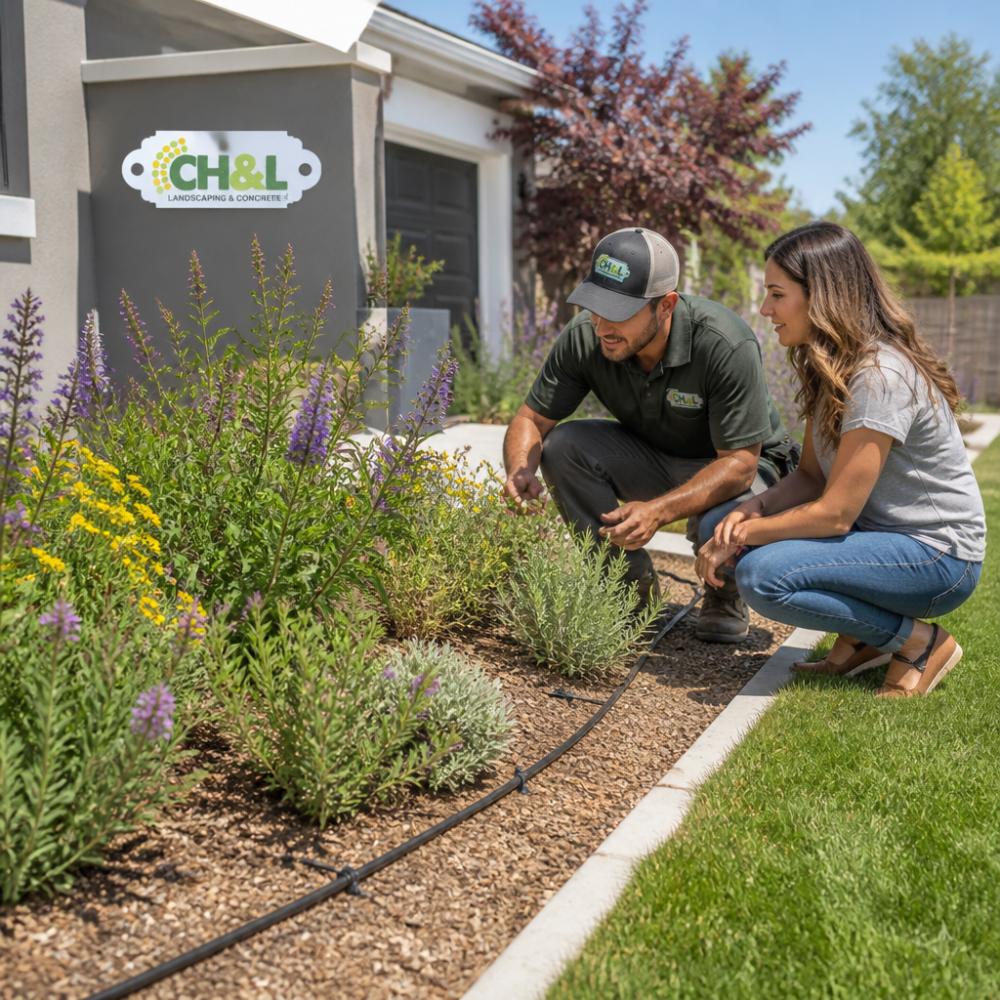
Native plant selection for water-efficient design requires a landscape architect who understands plant communities. Done well, a native planting scheme looks intentional and lush. Sustainable hardscape materials, permeable pavers, recycled aggregate, reclaimed stone, are increasingly available at the quality level luxury projects demand. Permeable paving systems allow rainwater to infiltrate rather than run off, which can reduce drainage infrastructure requirements and, in some jurisdictions, qualify for rebates or reduced stormwater fees (the EPA).
The long-term savings case is straightforward: lower water bills, reduced chemical inputs, and less labor-intensive maintenance over time. Many water agencies offer rebate programs for turf removal and irrigation upgrades.
Backyard Renovation Timeline: What to Expect from Start to Finish
A luxury backyard renovation does not happen in a weekend. Realistic timeline expectations prevent frustration and help homeowners plan around disruption.
The typical sequence runs: design consultation and site assessment, design development and client review, permitting submission and approval, material procurement, construction, and final punch-list walkthrough. Permitting is the most unpredictable variable. Material procurement is the other major timeline risk in 2026, as supply chain conditions for premium hardscape materials, natural stone, and custom metalwork can extend lead times significantly (bls.gov).
Best Time of Year to Start Your Project
Spring and summer are peak demand seasons for landscape contractors, which means longer lead times for design slots, material delivery, and crew scheduling. Starting the design and permitting process in late fall or early winter positions you for a spring construction start without competing against the full seasonal backlog.
If you're thinking about a renovation for next spring, start conversations now. The design phase alone, site assessment, concept development, material selection, and client revisions, typically takes several weeks before a permit application can be submitted.
Financing Options and How to Budget for a Luxury Backyard Remodel
Financing a luxury backyard renovation is more accessible than many homeowners realize, and the right financing structure can make a meaningful difference in what's achievable within a monthly budget.
Home equity line of credit (HELOC): For homeowners with significant equity, a HELOC offers flexible access to funds at relatively competitive interest rates. The draw period allows you to borrow as construction progresses rather than taking a lump sum upfront.
Home equity loan: A fixed-rate home equity loan provides a lump sum with predictable monthly payments, which works well for homeowners who want budget certainty over the repayment period.
Cash-out refinance: In markets where refinancing makes sense, a cash-out refinance rolls renovation costs into a new mortgage. This approach works best when the new rate is comparable to or better than the existing mortgage rate.
Personal loans: Unsecured personal loans are available for renovation projects but typically carry higher interest rates than equity-based financing. They're a practical option for homeowners without sufficient equity or those who prefer not to use their home as collateral.
Contractor financing programs: Some contractors partner with third-party lenders to offer financing directly. Evaluate these programs carefully; the convenience is real, but the terms vary widely.
The budgeting discipline that matters most is separating your renovation budget from your contingency reserve. A common approach among experienced renovation planners is to hold back a meaningful portion of the total budget as contingency, untouched until construction is complete. This is the difference between a project that finishes cleanly and one that stalls because an unforeseen site condition consumed the last of the budget.
CH&L Landscaping & Concrete's four-step project process is built around keeping projects on time and on budget, starting with a detailed design phase that surfaces potential cost variables before construction begins, not after. For homeowners who've been burned by contractor surprises before, that structured approach is worth understanding before you commit to any scope of work.
Planning a luxury backyard renovation is genuinely complex, and the cost of backyard renovation in 2026 reflects that complexity. The homeowners who end up happiest are the ones who invested time in the planning phase, asked hard questions about hidden costs, and chose a contractor based on process and track record rather than the lowest initial quote. CH&L Landscaping & Concrete brings 15 years of experience, a CSLB license, and a 5-star rated track record to every project, with custom design included and a commitment to keeping your project on schedule and within budget. Get a free estimate and see what a well-planned luxury transformation actually looks like from the first conversation.
Frequently Asked Questions
How much should I budget for a backyard renovation?
Backyard renovation budgets vary widely based on project scope, materials chosen, site conditions, and regional labor rates. A modest refresh involving sod installation and basic hardscaping costs far less than a full luxury transformation with an outdoor kitchen, pergola, and custom lighting design. The best starting point is a detailed estimate from a licensed contractor who can assess your specific yard, outline a clear scope of work, and give you a transparent number before any work begins.
Is a professional backyard renovation worth the investment for home value?
Backyard landscaping ROI in 2026 remains strong for well-executed projects. Outdoor living spaces consistently rank among the top home improvements for curb appeal and resale value. Hardscaping elements like pavers, retaining walls, and outdoor kitchens tend to hold their value well, especially in markets where outdoor living is year-round. The key is choosing durable, high-quality materials and working with a contractor who designs for both aesthetics and long-term function rather than cutting corners on site preparation.
What factors influence the total cost of a backyard remodel?
The main cost drivers include square footage, the mix of hardscaping versus softscaping, site preparation needs like grading and drainage, material selection, permitting requirements, and local labor rates. Regional multipliers also play a significant role, labor and materials cost more in high-cost metros. Scope changes mid-project are one of the biggest budget risks, which is why a detailed design phase before construction starts is essential to keeping costs predictable.
What time of year is best to start a backyard landscaping project?
Late winter through early spring is generally the best window to begin planning and scheduling a backyard renovation. Contractors book up quickly as spring demand rises, so starting the design and permitting process in January or February gives you first access to project slots and avoids peak-season delays. In mild climates, fall is also a strong option for sod installation and plant establishment, as cooler temperatures reduce transplant stress and irrigation demand.
How does the choice of materials impact long-term maintenance costs?
Material selection directly affects how much time and money you spend after the project is complete. Natural stone and concrete pavers are durable but may need periodic sealing. Composite decking costs more upfront than wood but requires far less ongoing maintenance. Drought-tolerant, water-efficient landscaping cuts irrigation costs significantly over time. Choosing high-quality materials from the start is almost always less expensive than replacing cheaper materials after a few years of wear.
What are common backyard renovation mistakes to avoid?
The most costly mistakes include skipping proper grading and drainage work, underestimating permitting timelines, choosing materials based on upfront price alone, and failing to account for hidden costs like utility relocation or soil amendments. Hiring an unlicensed contractor to save money often leads to work that fails inspection or requires expensive corrections. A transparent, detailed contract with a fixed scope before work begins is the single most effective way to protect your budget.
This article was written using GrandRanker
Ready to start your project?
CH&L Landscaping & Concrete serves Concord, Martinez, and the greater Bay Area. Get a free, no-obligation estimate today.
Get a Free Estimate