Custom Outdoor Living Design Services: A 2026 Guide
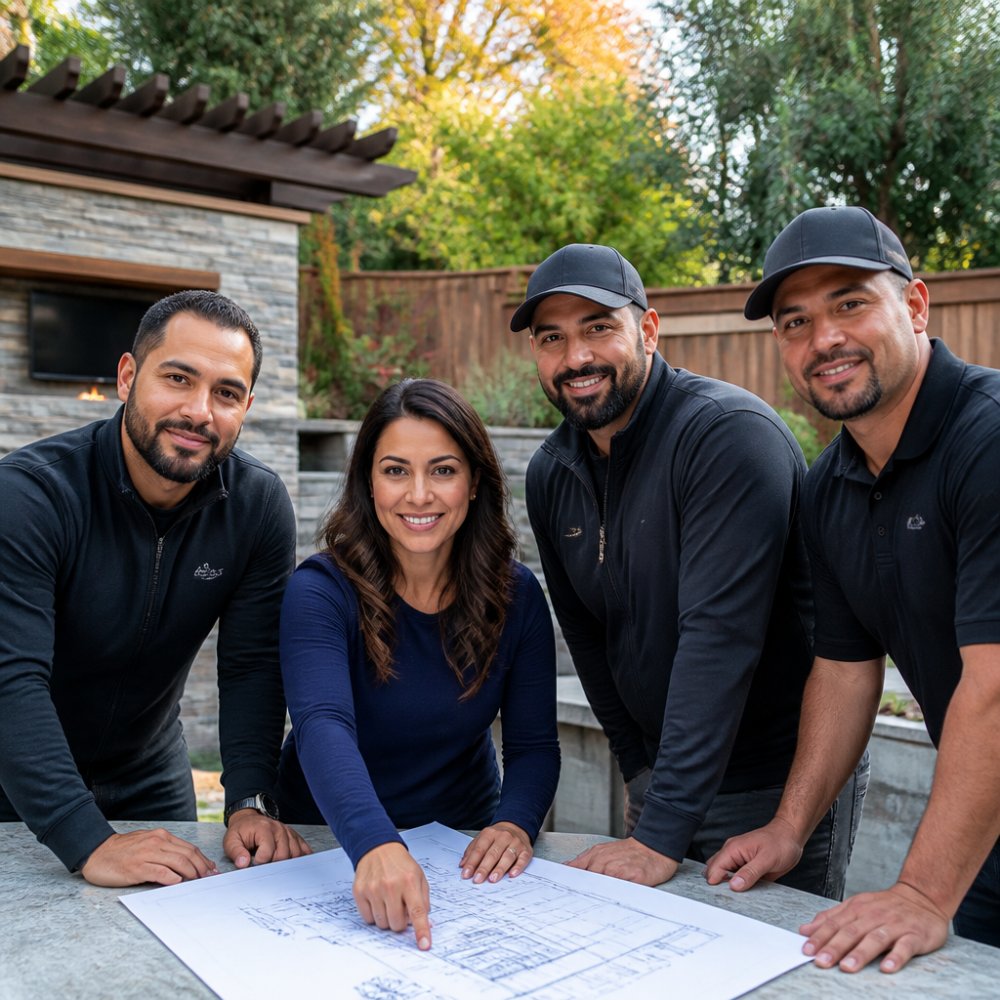
Table of Contents
- What Custom Outdoor Living Design Services Include
- The Design-Build Process: From Concept to Installation
- Key Features of Luxury Outdoor Living Spaces
- Questions to Ask Landscape Contractors Before Hiring
- The Landscape Design Consultation Process Explained
- Hiring a Licensed Landscape Contractor: What You Need to Know
- Maintenance Requirements and Long-Term Value
- Permitting, Zoning, and Compliance Considerations
- Frequently Asked Questions
Last Updated: September 24, 2026
What Custom Outdoor Living Design Services Include
Custom outdoor living design services transform your backyard into a functional, beautiful extension of your home, combining landscape architecture, structural engineering, and material expertise. The process begins with understanding your vision, site conditions, and budget, then translating that into a cohesive plan balancing aesthetics, functionality, and long-term value.
A complete custom outdoor living design service includes site analysis, 3D visualization, material selection, permitting guidance, and full-scale construction management, ensuring projects stay on schedule and within budget.
The Design-Build Process: From Concept to Installation
Design-build integrates design and construction under one team, reducing delays and communication gaps while ensuring consistency between vision and execution.
Site Analysis and Landscape Planning
Site analysis assesses topography, soil conditions, drainage patterns, sun exposure, and existing vegetation to identify opportunities and constraints affecting construction feasibility.
Professionals evaluate how your outdoor space connects to your home's architecture, considering sightlines, traffic flow, and zoning. Proper grading and drainage planning prevents water damage and ensures hardscaping performs as intended.
Custom Design and 3D Visualization
Custom design translates your preferences, lifestyle needs, and budget into a detailed plan using 3D visualization tools to show material choices, spatial relationships, and feature integration before construction.
3D visualization eliminates guesswork, allowing you to request changes before construction begins and ensuring the final design matches your vision.
Material Selection and Budget Alignment
Material selection impacts aesthetics and long-term performance. High-quality materials like natural stone and composite decking cost more upfront but deliver superior durability and lower maintenance.
Budget alignment happens throughout design. A skilled contractor discusses trade-offs honestly, letting you prioritize where quality matters most while staying within budget.
Key Features of Luxury Outdoor Living Spaces
Luxury outdoor living spaces share common elements that elevate both function and aesthetics. These features work together to create outdoor rooms that are beautiful, durable, and genuinely usable year-round.
Hardscaping and Patio Installation
Hardscaping, patios, pathways, retaining walls, and structural elements, forms the backbone of outdoor living spaces. Natural stone pavers, stamped concrete, and composite materials offer different aesthetics and durability profiles.
Patio installation requires precision in grading, base preparation, and material placement. A well-built patio drains properly and withstands weather and foot traffic for decades, improving curb appeal and property value.
Pergolas, Shade Structures, and Outdoor Rooms
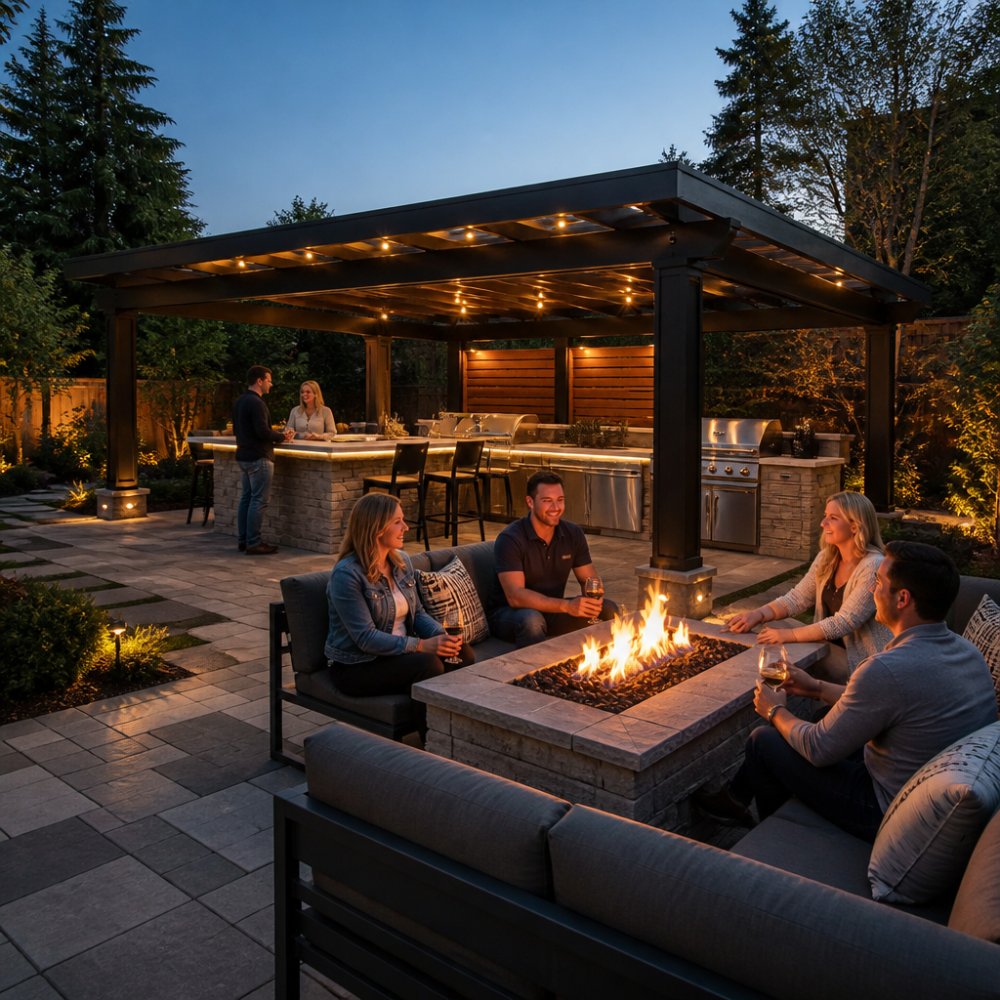
Pergolas and shade structures extend the usability of your outdoor space into hot months and provide visual interest. A well-designed pergola creates defined outdoor rooms, separate zones for dining, lounging, or entertaining, while allowing light and air circulation. Modern shade structures range from traditional pergolas to motorized retractable systems and fabric shade sails.
These structures do more than provide shade. They anchor the landscape design, create focal points, and establish visual rhythm across your property. When integrated thoughtfully with hardscaping and plantings, they transform a flat backyard into a series of connected outdoor rooms, each with its own character and purpose.
Water Features, Fire Pits, and Outdoor Kitchens
Water features, fountains, ponds, streams, or swimming pools, add sensory richness and become focal points in landscape design. The sound of moving water creates ambiance, and water features attract wildlife, enhancing the natural feel of your outdoor space.
Fire pits and fireplaces extend entertaining seasons and create gathering places. A well-positioned fire feature provides warmth, light, and a natural focal point for conversation. Outdoor kitchens elevate entertaining by bringing food preparation outside, eliminating trips to the indoor kitchen and keeping the host engaged with guests.
Each of these features requires thoughtful integration with the overall design. A fire pit placed without considering wind patterns or proximity to plantings creates problems. An outdoor kitchen without proper ventilation or drainage fails functionally. Professional design ensures these features enhance rather than complicate your outdoor living experience.
Outdoor Lighting and Landscape Integration
Outdoor lighting transforms your space after dark, extending usability into evening hours while improving safety and security. Landscape lighting includes path lights for safety, uplighting to highlight trees and architectural features, accent lighting for focal points, and ambient lighting for entertaining areas.
Strategic lighting also enhances curb appeal and makes your home more inviting. Properly integrated lighting feels natural, you notice the effect, not the fixtures. This requires understanding light temperature, intensity, and placement to create the right mood while maintaining functionality.
Questions to Ask Landscape Contractors Before Hiring
Asking the right questions reveals whether a contractor understands your needs and has the expertise to deliver. These questions address common concerns about budget control, project management, licensing, and how the contractor handles problems.
Ask about their process for keeping costs under control. Request a detailed breakdown of how they estimate projects, whether they use fixed or time-and-materials contracts, and how they handle changes. A contractor who explains the estimating process transparently and has a clear change-order procedure demonstrates professional practices. Ask for references from clients with projects similar in scope to yours.
Inquire about project timeline and communication. How often will you receive updates? What happens if weather delays the project? A contractor with a clear communication plan and realistic timeline expectations reduces stress. Ask how they handle unexpected issues, discovering poor soil conditions or discovering utility lines during excavation, and whether they have contingency plans.
Ask about their licensing and insurance status. Request proof of current licensing, liability insurance, and workers' compensation coverage. In most states, landscape contractors performing work above a certain dollar threshold must be licensed. Verify their license status through your state's licensing board. Insurance protects you if someone is injured or property is damaged during construction.
Request examples of completed projects. Ask to see photos or visit completed work similar to what you're planning. This shows whether their aesthetic aligns with yours and demonstrates their capability at your project's scale. Speaking directly with past clients reveals how contractors handle communication, manage timelines, and respond to problems.
Discuss warranty and post-installation support. What warranty covers the hardscaping, plantings, and structures? How long? What does it include? Understanding warranty terms prevents surprises if something fails after installation.
The Landscape Design Consultation Process Explained
The design consultation is where your vision becomes concrete. A professional consultation process follows a structured approach that gathers information, explores possibilities, and builds toward a detailed design.
During an initial consultation, the contractor walks your property, asks about your lifestyle and entertaining needs, discusses your aesthetic preferences, and takes measurements and photos. This is your opportunity to share ideas, concerns, and budget parameters. The contractor should listen more than talk at this stage, asking clarifying questions to understand what matters most to you.
After the initial consultation, the contractor performs the site analysis described earlier, evaluating soil, drainage, sun exposure, and other technical factors. They then develop preliminary design concepts, often in 2D or 3D format, showing how different layout options could work on your property.
The consultation process typically includes 1-2 rounds of design refinement. You review the initial design, request changes, and the contractor revises. This iterative process continues until the design captures your vision and addresses practical concerns. Once you approve the design, detailed specifications and material selections move forward.
A quality consultation process takes time. Rushing through consultations leads to designs that miss the mark or overlook important details. Expect the process to take several weeks from initial consultation to final design approval.
Hiring a Licensed Landscape Contractor: What You Need to Know
Licensing requirements vary by state and often depend on project scope and contract value. Many states require landscape contractors to be licensed if they perform work above a certain dollar threshold, typically $500 to $1,000. Licensing ensures the contractor has met education and experience requirements and maintains insurance.
Verify a contractor's license through your state's licensing board. Most states maintain online searchable databases. Check the license status, any disciplinary history, and the license holder's name. A legitimate contractor displays their license number in their marketing materials and on contracts.
Insurance is equally important. Liability insurance protects you if someone is injured on your property during construction.
Maintenance Requirements and Long-Term Value
Different materials require different maintenance levels. Natural stone patios need occasional sealing and cleaning but are extremely durable. Composite decking requires less maintenance than wood but may fade over time. Outdoor kitchens need regular cleaning and seasonal maintenance to prevent rust and deterioration.
Permitting, Zoning, and Compliance Considerations
Many outdoor living projects require permits. The scope varies by jurisdiction, some areas require permits for structures above a certain size, electrical work for outdoor lighting, or pools and water features. Permit requirements exist to ensure construction meets safety codes and zoning regulations.
Frequently Asked Questions
What should be included in a professional custom outdoor living design plan?
A comprehensive design plan covers site analysis, landscape grading and drainage, hardscape layout with material specifications, structural elements like pergolas or fire features, outdoor lighting placement, planting design for softscaping, and a detailed construction timeline. The plan should include 3D visualizations, material samples, and a budget breakdown so you understand every aspect before construction begins.
How do I verify if a landscape contractor is licensed and insured?
Ask for the contractor's license number and verify it through your state's licensing board. Request proof of general liability and workers' compensation insurance, and contact the insurance provider directly to confirm active coverage. A licensed contractor carries accountability for workmanship and compliance with building codes, protecting you if issues arise during or after the project.
Is it worth paying for a custom outdoor living design service instead of doing it myself?
Professional designers understand spatial planning, material durability, drainage requirements, and how to maximize functionality within your budget. They prevent costly mistakes like poor grading that causes water damage or material choices that fail in your climate. A well-designed outdoor living space increases property value, improves usability year-round, and typically lasts longer due to proper structural engineering and material selection.
How long does the typical design and construction process take for an outdoor living project?
The timeline varies by project scope. Initial consultation and site analysis typically take 1-2 weeks, design and revision phases 2-4 weeks, and permitting (if required) can add 2-6 weeks. Construction timelines depend on complexity, a patio and pergola might take 4-8 weeks, while a full outdoor kitchen with water features could take 8-12 weeks or longer. Your contractor should provide a detailed project schedule upfront.
Ready to start your project?
CH&L Landscaping & Concrete serves Concord, Martinez, and the greater Bay Area. Get a free, no-obligation estimate today.
Get a Free Estimate